Hologic
Global leader in mammography and breast health imaging - Selenia Dimensions 3D, 3Dimensions (Genius), Affirm biopsy, Brevera and Trident.
Equipment from Hologic
18 systems from Hologic - tested, calibrated and ready for installation.

Hologic Brevera Breast Biopsy System
The world's only breast biopsy system with integrated real-time imaging, biopsy, verification and tissue handling - reducing stereotactic biopsy time by ~25%.
View Details →
Hologic ASY-00834 Standard Cycle Selenia Detector
OEM standard-cycle flat-panel detector for Hologic Selenia mammography systems. New and certified-refurbished units available with QA testing.
View Details →
Hologic PRD-04420 Clarity HD Detector
Clarity HD high-resolution detector for Hologic 3Dimensions and Selenia Dimensions platforms. New and refurbished OEM units with warranty.
View Details →
Hologic PRD-01702 HDT Detector
HDT-generation detector for Hologic Selenia Dimensions systems. Certified-refurbished with full QA testing and warranty.
View Details →
Hologic PRD-00779 High-Base Detector
High-base configuration detector for Hologic Selenia Dimensions platforms. Tested, calibrated and shipped with ARRAD warranty coverage.
View Details →
Hologic ASY-01389 Fast Cycle Selenia Detector
Fast-cycle flat-panel detector for Hologic Selenia mammography systems. Improved acquisition throughput vs. standard-cycle units.
View Details →
Hologic Selenia Dimensions 2D Mammography System
Selenia Dimensions 2D digital mammography platform with high-resolution amorphous-selenium detector - upgradeable to 3D tomosynthesis.
View Details →
Hologic Trident HD Specimen Radiography System
Compact, high-resolution specimen radiography system for breast biopsy and lumpectomy verification in the OR or biopsy suite.
View Details →
Hologic 3Dimensions Genius 3D Mammography System
Flagship Hologic 3D mammography platform with Clarity HD, SmartCurve, 3DQuorum and Genius AI - the only mammogram FDA-approved as superior for dense breasts.
View Details →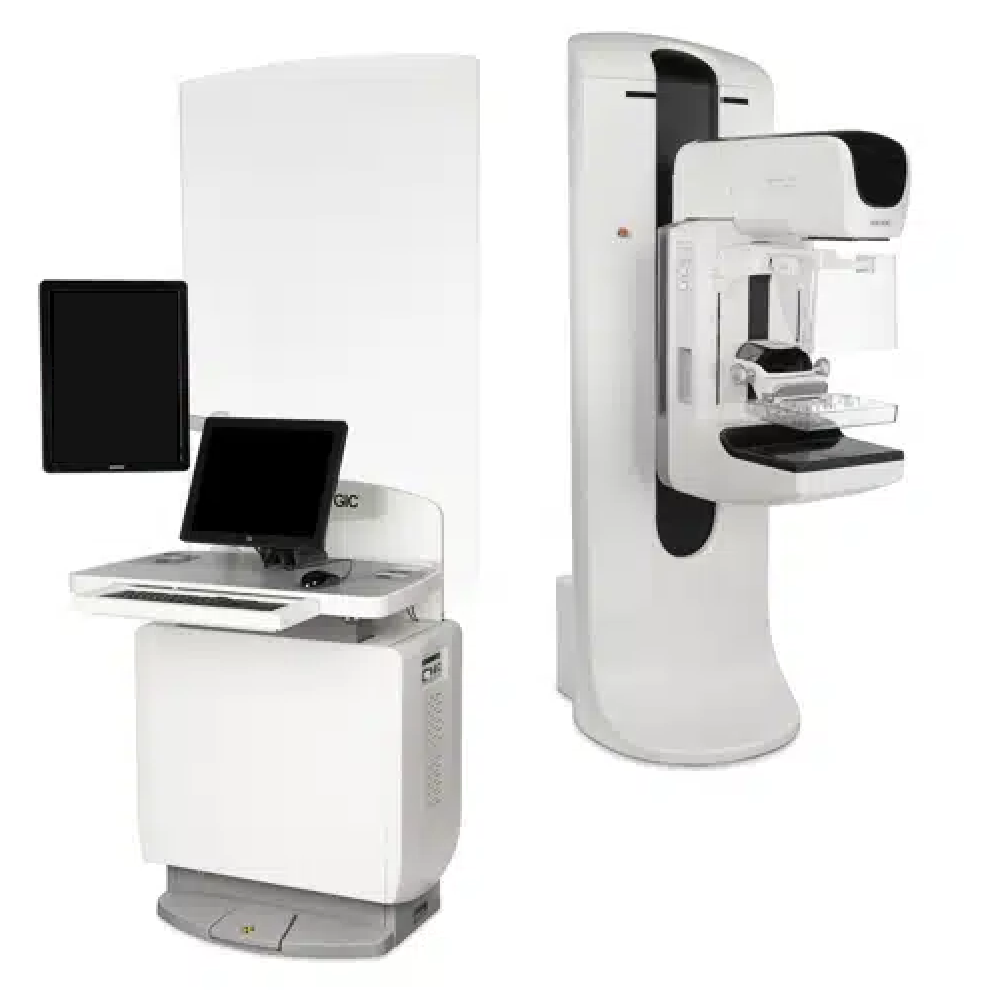
Hologic Selenia Dimensions 9000 Mammography System
Top-tier Selenia Dimensions 9000 configuration with full 3D tomosynthesis, C-View 2D and advanced software bundle.
View Details →Hologic Selenia Dimensions 8000 Mammography System
High-end Selenia Dimensions 8000 configuration with 3D tomosynthesis and C-View 2D synthesized imaging.
View Details →Hologic Selenia Dimensions 6000 Mammography System
Workhorse Selenia Dimensions 6000 configuration with full FDA-approved 3D tomosynthesis and C-View 2D.
View Details →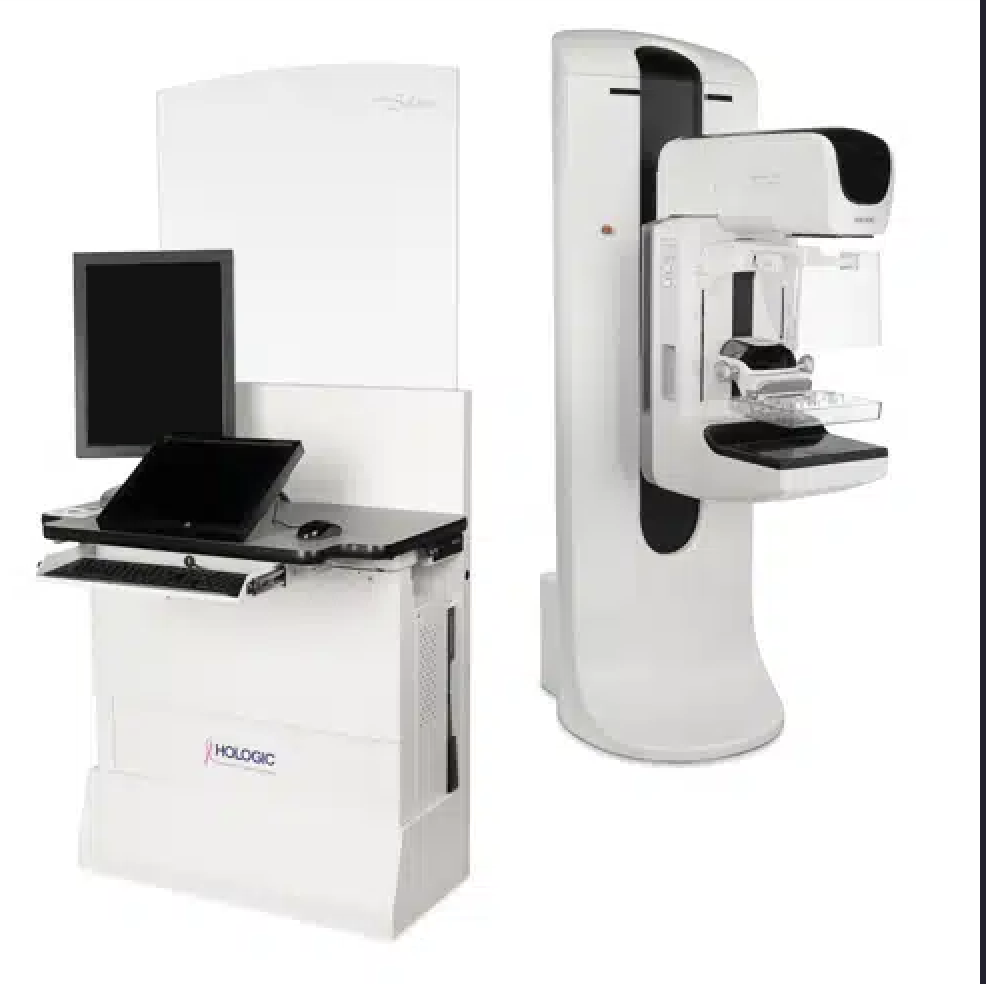
Hologic Selenia Dimensions 5000 Mammography System
Selenia Dimensions 5000 mid-tier 3D mammography platform - a popular choice for community hospitals and outpatient imaging centers.
View Details →Hologic Selenia Dimensions 3000 Mammography System
Entry-level Selenia Dimensions 3000 platform - high-quality 2D digital mammography upgradeable to 3D tomosynthesis.
View Details →
Hologic Fluoroscan Insight FD Mini C-Arm - 2024
Current-generation Hologic Fluoroscan Insight FD mini C-arm with flat-panel detector - engineered for hand, foot and extremity procedures.
View Details →Hologic Fluoroscan Insight FD Mini C-Arm - 2019
Refurbished 2019 Hologic Fluoroscan Insight FD mini C-arm with flat-panel detector - for hand, foot and extremity procedures.
View Details →
Hologic Selenia 2D Digital Mammography System
Hologic's original Selenia 2D digital mammography platform - proven amorphous-selenium detector technology and outstanding image quality.
View Details →
Hologic Affirm Breast Biopsy Guidance System
Hologic Affirm biopsy guidance system - upright and prone configurations for the Selenia Dimensions and 3Dimensions platforms.
View Details →About Hologic
Hologic is the global leader in mammography and breast health imaging technology. The Hologic Selenia Dimensions 3D and 3Dimensions (Genius) platforms have set the worldwide standard for digital breast tomosynthesis - with clinical studies demonstrating 20 to 65% improvement in invasive cancer detection rates and up to 40% reduction in patient callbacks compared to conventional 2D mammography.
ARRAD carries the full range of Hologic Dimensions configurations (3000, 5000, 6000, 8000, 9000) and the 3Dimensions (Genius) platform, plus Affirm prone and upright biopsy guidance, Brevera real-time biopsy, and Trident specimen radiography. Every system is detector-calibrated against ACR phantom standards and tested for MQSA regulatory compliance.
Hologic - Frequently asked questions
What facilities ask about Hologic equipment and service.
Does ARRAD service Hologic mammography systems for MQSA compliance?
+
Yes - ARRAD provides MQSA-grade service and physics support nationwide for Selenia, Dimensions 3D, and 3Dimensions (Genius) platforms. We handle preventive maintenance, detector calibration against ACR phantom standards, and the documentation your physicist and FDA inspector need for annual surveys.
What is the difference between Selenia Dimensions 3000, 5000, 6000, 8000, and 9000?
+
The Dimensions series differs primarily by software license tier, generator output, biopsy and contrast capability, and gantry generation. The 3000 is the entry 2D/3D configuration, the 9000 is the latest hardware platform with full tomosynthesis and Genius AI support. ARRAD provides a line-item comparison so you understand which licenses (C-View, I-View CEM, 3DQuorum, Clarity HD) are included on each unit we quote.
Can I add C-View, Clarity HD, or 3DQuorum to an existing Hologic system?
+
Most Hologic software upgrades (C-View synthetic 2D, Clarity HD enhanced resolution, 3DQuorum slabbing, Genius AI) can be added to compatible Dimensions and 3Dimensions hardware as a license activation, sometimes requiring a software version bump. ARRAD coordinates the license purchase and field activation as part of the equipment package.
How does the Hologic detector exchange program work for my Selenia or Dimensions?
+
When your Hologic amorphous selenium detector fails QC, ARRAD ships a pre-calibrated replacement panel to your site before you return the failed unit. The failed panel is then refurbished and returned to inventory. Typical on-site exchange is 24 to 72 hours nationwide, which protects screening volume during the swap.
Does ARRAD support Affirm biopsy, Brevera, and Trident specimen imaging?
+
Yes - ARRAD sells and services the full Hologic breast health portfolio including Affirm prone and upright biopsy attachments, Brevera real-time vacuum-assisted biopsy, and Trident specimen radiography. Every system ships tested, calibrated, and ready for clinical use with applications training included.
Ready to Modernize Your Imaging?
Whether you're replacing a legacy system, opening a new imaging center or just need urgent service - an ARRAD specialist is ready to help.